
Why Small Classes Make a Big Difference to Your Child’s Education
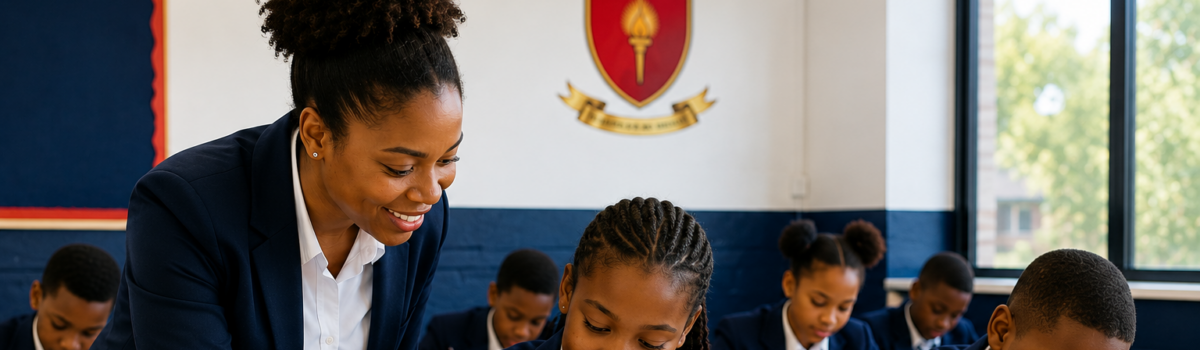
When choosing a school for your child, there are many factors to consider. Parents often look at academic results, facilities, extracurricular activities and the school’s overall environment. However, one factor that can make a significant difference to a child’s educational experience is class size.
At Gallagher Combined School, we understand that every learner is different. Small classes allow teachers to know their learners better, provide more individual attention and create an environment where every child has an opportunity to participate, learn and grow.
More Individual Attention
One of the biggest advantages of a smaller class is that teachers have more time to focus on individual learners.
In a large class, it can be challenging for a teacher to identify every learner’s strengths, challenges and learning needs. In a smaller class, teachers can monitor learners more closely, identify areas where additional support is needed and provide assistance before a learner falls behind.
This individual attention can help learners build confidence and develop a stronger understanding of their schoolwork.
Every Learner Has a Voice
Children learn in different ways, and some learners are naturally more confident than others.
In a smaller classroom, learners have more opportunities to ask questions, participate in discussions and share their ideas. Even quieter learners are more likely to become involved when they feel comfortable and supported.
Participation is an important part of learning. When learners are encouraged to speak, question, explain and collaborate, they develop communication skills and become more confident in expressing themselves.
Stronger Relationships Between Teachers and Learners
Education is about more than completing textbooks and passing examinations. A positive relationship between teachers and learners can have a powerful impact on a child’s development.
Smaller classes give teachers the opportunity to understand their learners as individuals. Teachers can become more familiar with each learner’s personality, interests, strengths and areas for development.
When children feel known, respected and supported, they are more likely to feel comfortable at school and engage positively with their learning.
A More Focused Learning Environment
A smaller class can also contribute to a calmer and more focused classroom environment.
With fewer learners in the classroom, teachers can manage lessons more effectively and spend less time dealing with disruptions. This allows more time to be dedicated to teaching, activities, questions and meaningful interaction.
A focused classroom helps learners concentrate on their work and make better use of the time available for learning.
Better Opportunities for Support
Every learner experiences challenges at some point in their education. Some may struggle with a particular concept, while others may need additional encouragement or a different approach to understanding a topic.
Smaller classes make it easier for teachers to notice when a learner is struggling and provide appropriate support. Teachers can also give learners additional explanations, examples or activities where necessary.
Early support can make a meaningful difference to a learner’s progress and confidence.
Encouraging Confidence and Independence
A good education should prepare children not only to pass tests but also to become confident and independent individuals.
When learners are given opportunities to participate, solve problems, present their ideas and work with others, they gradually develop confidence in their own abilities.
Smaller classes can create an environment where learners feel comfortable making mistakes, asking questions and trying again. This helps develop a positive attitude towards learning.
Better Classroom Participation
Learning becomes more engaging when learners are actively involved.
In a smaller class, teachers can use discussions, group activities, practical tasks and individual presentations more effectively. Learners have more opportunities to contribute rather than simply listening to the teacher.
Active participation helps learners develop important skills such as teamwork, communication, critical thinking and problem-solving.
Supporting the Whole Child
At Gallagher Combined School, we believe that education should focus on the development of the whole child.
Academic achievement is important, but so are confidence, character, responsibility, creativity, communication and social development.
A smaller classroom environment can give teachers more opportunities to recognise and encourage these different aspects of a learner’s development.
The Difference Can Be Significant
Class size is not the only factor that determines educational success. Great teachers, a supportive school environment, strong parental involvement and motivated learners all play an important role.
However, smaller classes can provide teachers with the opportunity to give learners more individual attention and create stronger classroom relationships.
For parents considering the best educational environment for their children, class size is therefore worth considering.
Choosing an Environment Where Your Child Can Thrive
Every child deserves an opportunity to be seen, heard and supported.
A school environment where learners receive individual attention, participate actively and develop positive relationships with their teachers can help them become more confident and successful learners.
At Gallagher Combined School, we strive to create a learning environment where every learner matters. Through dedicated teaching, meaningful interaction and a focus on individual development, we aim to give our learners the support they need to reach their full potential.
Because when children receive the attention they deserve, they have greater opportunities to learn, grow and thrive.